

Somewhere on the Warner Bros. lot in Burbank, a woman is walking through a gravel pit that isn't there. She's standing on a patch of real pea gravel bolted into a wooden pit, watching a screen on the wall, matching her footsteps to an actor's stride frame by frame. No gravel road on set. There never was. Every crunch you hear when that actor walks a dirt path in the finished film came from this room, minutes from the studio commissary, made by someone most audiences will never know existed.
Related: The Last Backlot: How Hollywood's Outdoor Stages Survived Malls, Condos, and the Streaming Wars · The Unglamorous Art of Making Hollywood Sound Like Anywhere But Hollywood
That's foley work, named for Jack Foley, a Wisconsin-born sound man who started at Universal Pictures in the late 1920s and figured out that the fastest way to add realistic sound to a movie wasn't recording it on location. It was faking it, live, in a room, with props and shoes and a good ear. Nearly a century later, the craft still runs almost entirely out of a handful of soundstages in Los Angeles and Burbank. One of the last corners of moviemaking that never left California. Until recently, it hadn't much changed, either.
But foley is a small industry, and small industries get squeezed first. Streaming budgets, overseas post-production deals, and the rise of synthetic sound libraries have all put pressure on a craft that's always depended on physical rooms, physical props, and a handful of specialists who learned the trade by watching someone else do it for twenty years.
Jack Foley and the Birth of a Trade
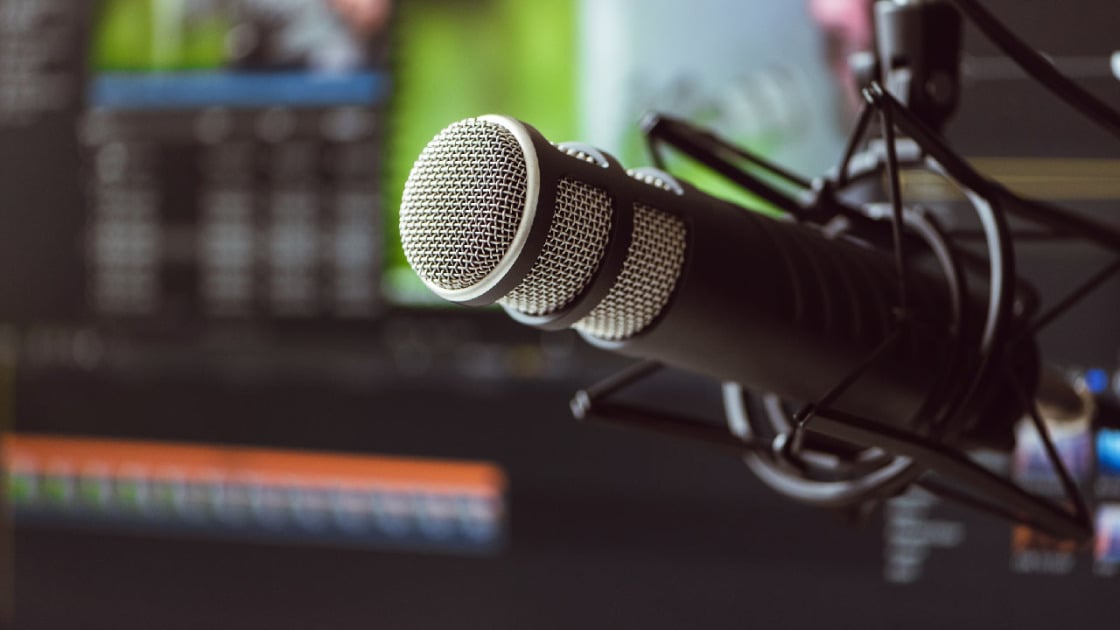
The story goes back to 1929, when Universal was racing to add sound to films that had already been shot silent. Jack Foley, then a director and jack-of-all-trades at the studio, needed a way to sync sound effects to picture without hauling recording equipment onto a soundstage full of actors. His solution was blunt and brilliant: watch the footage, then physically recreate every footstep, door slam, and rustle of clothing in real time, in a room, while recording it fresh.
Universal used the technique on "Show Boat" and kept using it for decades. The name stuck to the job itself. By the 1940s, "foley" wasn't just what Jack Foley did. It was what everyone in the business called the entire discipline of live-performed sound effects, and Universal's stages in the San Fernando Valley became something close to the trade's ancestral home.
The Pits, the Props and the Walk
Modern foley stages look almost absurd if you don't know what you're looking at. The floor is broken into pits filled with different surfaces: gravel, sand, concrete, wood planking, tile. An artist can step from a jungle scene straight into a hospital corridor without leaving the room. Shelves along the walls hold what foley people call their "kit." Dozens of pairs of shoes in different sizes and soles, gloves, umbrellas, cutlery, keys, coconut shells for horse hooves, an unglamorous pile of junk that happens to be worth its weight in gold when a scene needs the exact rasp of a leather jacket or the specific clack of a screen door.
Two specialists typically work a stage: a foley walker, who performs the physical movement in sync with picture, and a foley mixer, who records and shapes the sound in the booth. It's a two-person dance, repeated scene by scene, sometimes hundreds of times a day, matched frame-for-frame to picture that's already locked. A good walker can watch an actor cross a room once and immediately know which shoes, which surface, and which rhythm will sell it.
Why California Still Owns the Craft
Unlike a lot of postproduction work, which has scattered to Vancouver, London, and beyond as studios chase tax incentives, foley has stayed stubbornly rooted in Los Angeles and Burbank. Part of that is infrastructure. Building a proper foley stage means constructing physical pits with real surfaces underneath a soundproofed room, and studios like Warner Bros. and Universal already had those rooms standing. Some date back generations, refitted rather than rebuilt from scratch.
Part of it is also craft transfer. Foley has traditionally been taught the way blacksmithing or violin-making gets taught: by apprenticeship, one walker training under another for years before doing solo work on a real release. That kind of hand-me-down expertise concentrates in specific buildings and specific crews, and Los Angeles simply has more of those crews than anywhere else in the world.
The Squeeze: Streaming, Outsourcing and Synthetic Sound
None of that has made the trade recession-proof. As streaming platforms compressed postproduction schedules and budgets, some studios began outsourcing sound work overseas or leaning harder on stock sound effects libraries instead of booking a stage and a walker for original passes. Industry trade coverage in recent years has repeatedly flagged foley as one of the crafts feeling the squeeze from tighter budgets and faster turnaround demands, the same pressures battering other below-the-line trades across California's production pipeline.
There's also a newer worry hanging over the stages: synthetic and AI-generated sound effects, which can now approximate a footstep or a door creak without a human walker in a gravel pit at all. For a craft built entirely around the idea that a real person performing a real physical action sounds more convincing than anything manufactured, that's not a small threat. It's an existential one, and it arrived faster than most foley artists expected.
Still Standing, For Now
Walk onto one of those stages today and you'll still find shelves of shoes worn soft at the heel, gravel pits polished by decades of footsteps, and artists who can tell you exactly which prop makes a punch land or a kiss sound real. It's an oddly tactile survivor in an industry chasing virtual production volumes and digital doubles. A room where the entire job is still done by hand, in real time, in front of a screen.
Nobody in that room expects applause, and nobody watching the movie will ever know their name. But every crunch of gravel, every slammed door, every rustle of a coat you've ever heard in a movie came from somebody standing in a dark room in Burbank, walking nowhere, making it sound like everywhere.