

The math is brutal and simple. California's wildfires are eating forest faster than replanting crews can chase them. Not a little faster. A lot faster. And buried inside that fact is a narrower, more punishing problem that almost nobody talks about: the weather window.
Related: The Replanting Race: Why California's Weather Window to Regrow a Burned Forest Is Closing · Spokane Wildfire Evacuates 65,000 — What It Means for California Air Quality and Fire Season
Plant a seedling too late and summer heat cooks it before the roots can anchor. Plant too early and a hard frost kills it where it stands. Between those two walls sits a sliver of viable weeks — usually late fall or early winter, depending on elevation — when newly burned ground can actually receive a tree. Miss the window and you're waiting a full year. The fire does not wait.
California has been missing more windows than it's hitting. The state simply cannot replant its forests fast enough to keep pace with what fire is taking. The gap isn't just about money or labor, though both are scarce. It's about weather, and about what fire does to the microclimate of the land it scorches.
What a Burned Hillside Actually Feels Like
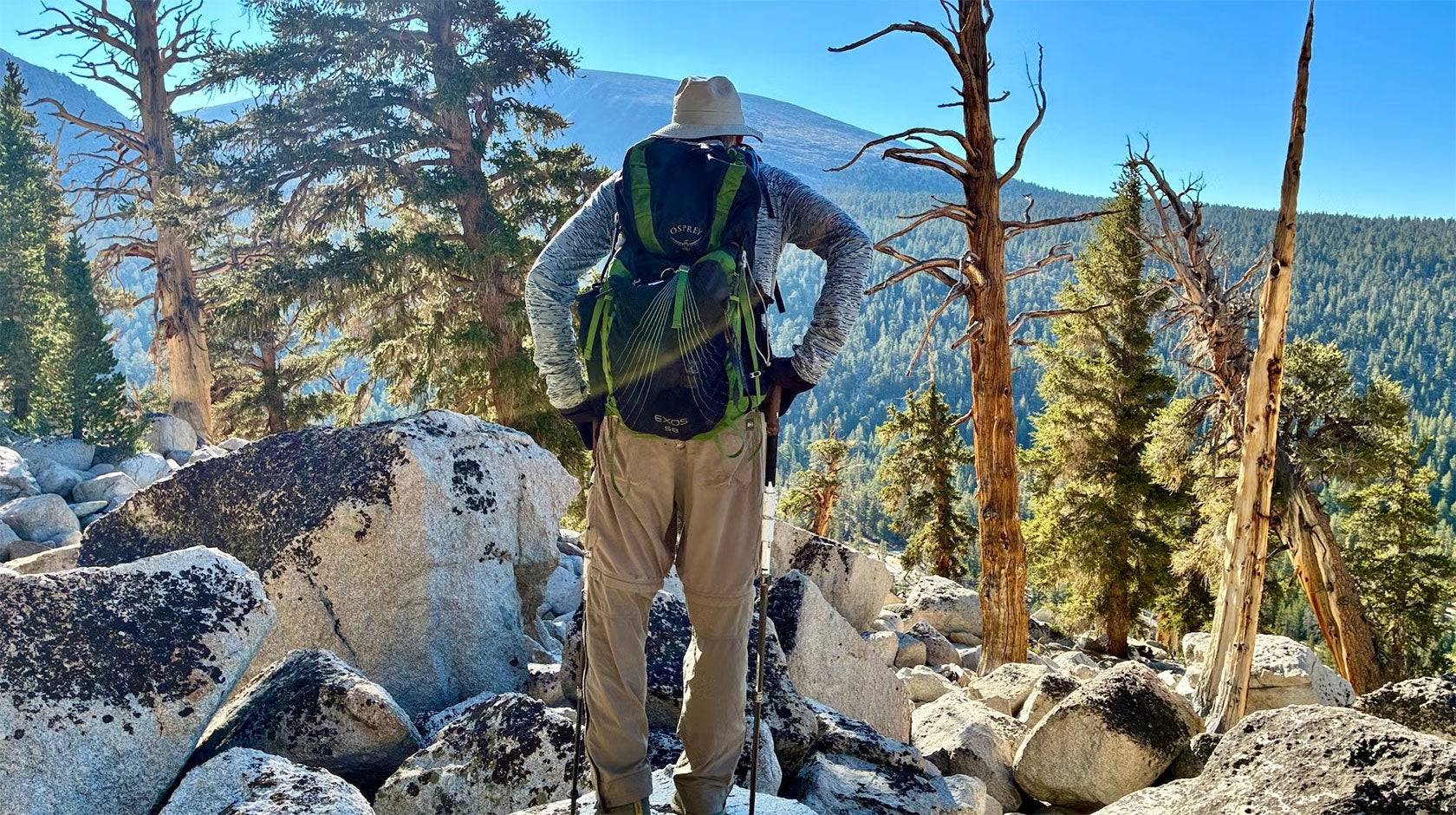
Strip a slope of its trees and the ground temperature swings turn savage. Shade is gone. The duff layer — that spongy mat of decomposed needles and organic matter that holds moisture — burns away. What's left is exposed mineral soil that bakes in July and freezes hard in January, with nothing to soften either extreme.
That changes the replanting calculus completely. Seedlings going into unburned forest gaps have shelter, residual soil moisture, protection from neighboring trees. Seedlings going into a fresh burn scar get none of that. They're on their own from day one, in conditions measurably hotter and drier than the pre-fire forest ever was. Survival rates drop. Costs per surviving tree climb. The effective planting window tightens.
Foresters and restoration ecologists have known this for years. What's changed is scale. After the Dixie Fire of 2021, the Caldor Fire, the Creek Fire — each chewing through hundreds of thousands of acres — the sheer acreage waiting for replanting has overwhelmed the seasonal capacity of every crew working in California.
The Window Problem: Timing Is Everything
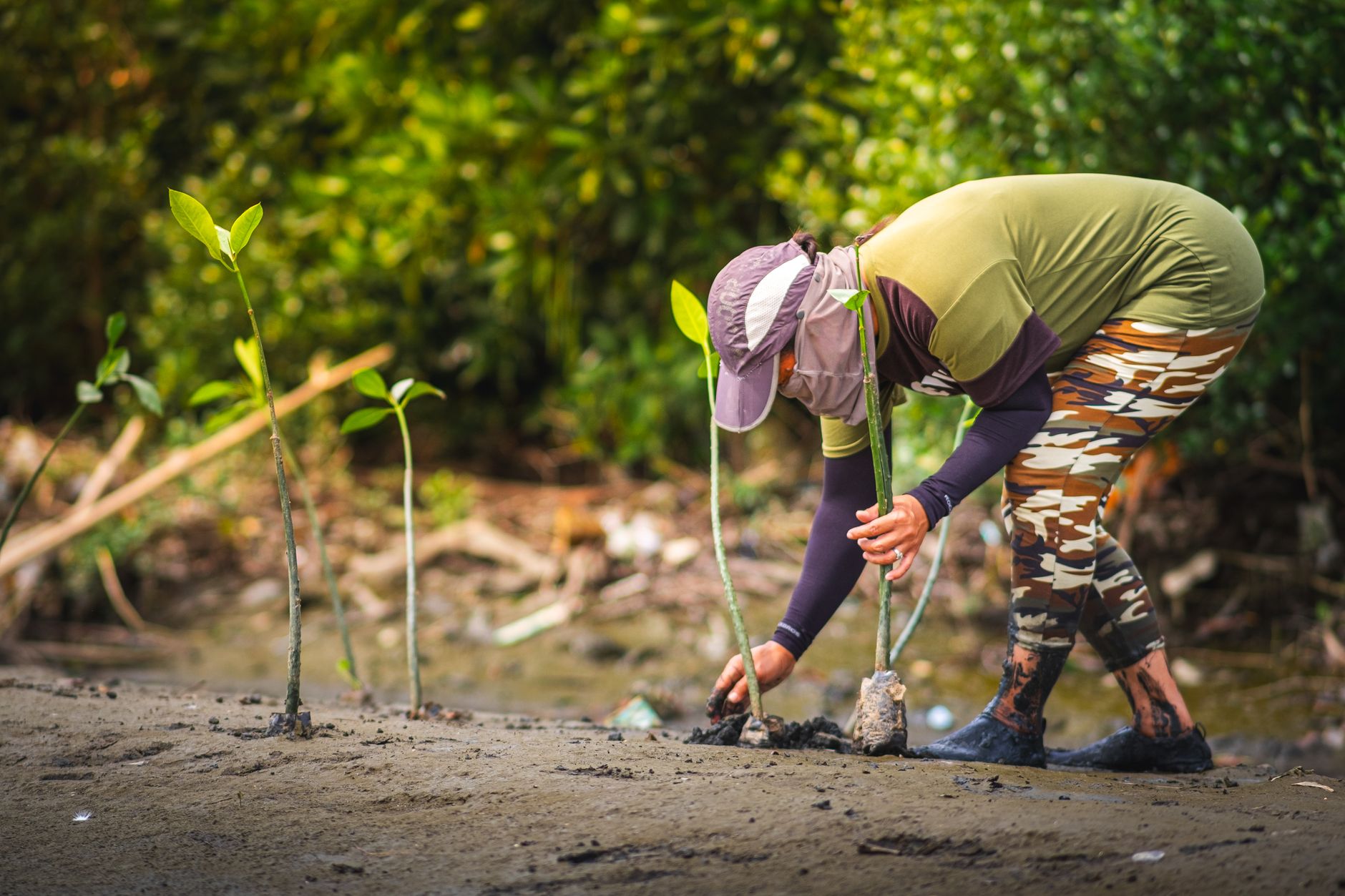
In the Sierra Nevada, the optimal planting window for most conifers runs roughly from November through March, depending on snow levels. Below about 4,000 feet, crews can sometimes push into April. Above 6,000 feet, a late snowpack can shut down access entirely until the ground thaws, and by then the spring dry-out has already begun.
That's four to five months on a good year. In a year with an early snowpack followed by a fast spring warm-up — which California gets more often now — the usable window can compress to ten or twelve weeks. Ten weeks to get seedlings in the ground across burned terrain that may stretch for a hundred miles.
The logistics alone are staggering. Nursery operators have to grow seedlings to maturity on schedule, which means predicting a year in advance how many trees will be needed and where. They're essentially betting on fire. When a major burn happens somewhere they didn't anticipate — which is most of them — the right seedlings for that elevation and plant community may simply not exist in sufficient numbers when the planting window opens.
Climate Is Rewriting the Rulebook
Here's the layer that makes everything harder: the same climate conditions driving catastrophic fire are also shifting the conditions that govern successful replanting. Warmer springs mean soil dries out sooner. More erratic precipitation means the winter rains that should settle new seedlings in can arrive late, arrive all at once, or skip entire regions.
Some species that historically dominated burned slopes in California — ponderosa pine, white fir — are increasingly struggling to regenerate even when seedlings are successfully planted. Summer heat stress during the first two or three years after planting, the period when a young tree is most vulnerable, has intensified. Researchers tracking post-fire regeneration in the Sierra have found significant patches where replanted conifers are dying at rates that would have been considered outliers just a decade ago.
The response, still contested among land managers, is to shift species mixes. Plant trees better adapted to hotter, drier conditions, even if they're not what grew there before. But that takes time to sort out ecologically, politically, and practically. In the meantime, the window keeps opening and closing.
Who's Doing the Planting
Reforestation crews work in conditions most people would not willingly sign up for. Burned terrain is steep, unstable, and full of snags — standing dead trees that can drop without warning. In winter it's also cold, often muddy, and remote. The labor pool is thin, the pay is not generous, and the work is seasonal by definition.
California has been trying to expand that capacity, investing in nursery production and training programs aimed at growing the reforestation workforce. But the pipeline from seedling germination to in-ground planting runs about two years, and the fires keep arriving on their own schedule. Every major burn that exceeds projections pushes the backlog further out of reach.
The burned acres are not shrinking while anyone figures this out. They're just getting older, drier, and more compacted — slightly harder to replant every season that passes without action. The weather window is the one variable nobody controls, and it's the one variable everything else depends on.
Plant in the wrong week and the tree dies. Don't plant at all and the hillside erodes. The clock resets in November. California had better be ready.