

The match, according to prosecutors, was a burning car shoved into a ravine. The fuse was everything else: a bone-dry gully outside Chico, a thermometer cracking 100, and air so parched it was practically begging to burn. By the time firefighters clocked what was happening in Bidwell Park on July 24, 2024, the Park Fire wasn't a fire anymore. It was a weather system.
Related: CALWIRE Weather Roundup (Tuesday, July 14, 2026) · CALWIRE Weather Roundup (Wednesday, July 15, 2026)
This week a jury convicted Ronnie Dean Stout II of arson for starting the blaze, one of the largest in California history, a fire that eventually torched more than 429,000 acres across Butte, Tehama, Plumas and Shasta counties. The verdict closes the legal chapter. The meteorological one is the part California keeps refusing to reckon with: how a single tossed vehicle, on the wrong afternoon, in the wrong canyon, becomes an inferno that outruns everything humans throw at it.
A Ravine Built Like a Chimney

Bidwell Park sits where the flat Sacramento Valley floor buckles up into the first folds of the Sierra Nevada foothills, steep grassy ravines that funnel air uphill the way a flue funnels smoke. Fire behavior analysts have long flagged these Butte County drainages as some of the most dangerous terrain in the state for exactly that reason. Heat rises. Canyons narrow. A small fire at the bottom of a gully accelerates the same way flames accelerate up a chimney, gaining speed and intensity with every foot of elevation.
That's the terrain Stout allegedly chose, whether he understood the physics or not. Investigators say the fire started small, in vegetation near a homeless encampment area of the park. Under ordinary conditions, that's a fire crews stamp out before lunch. On July 24, 2024, it was a fire that grew by tens of thousands of acres in a single afternoon.
Triple Digits and Single-Digit Humidity
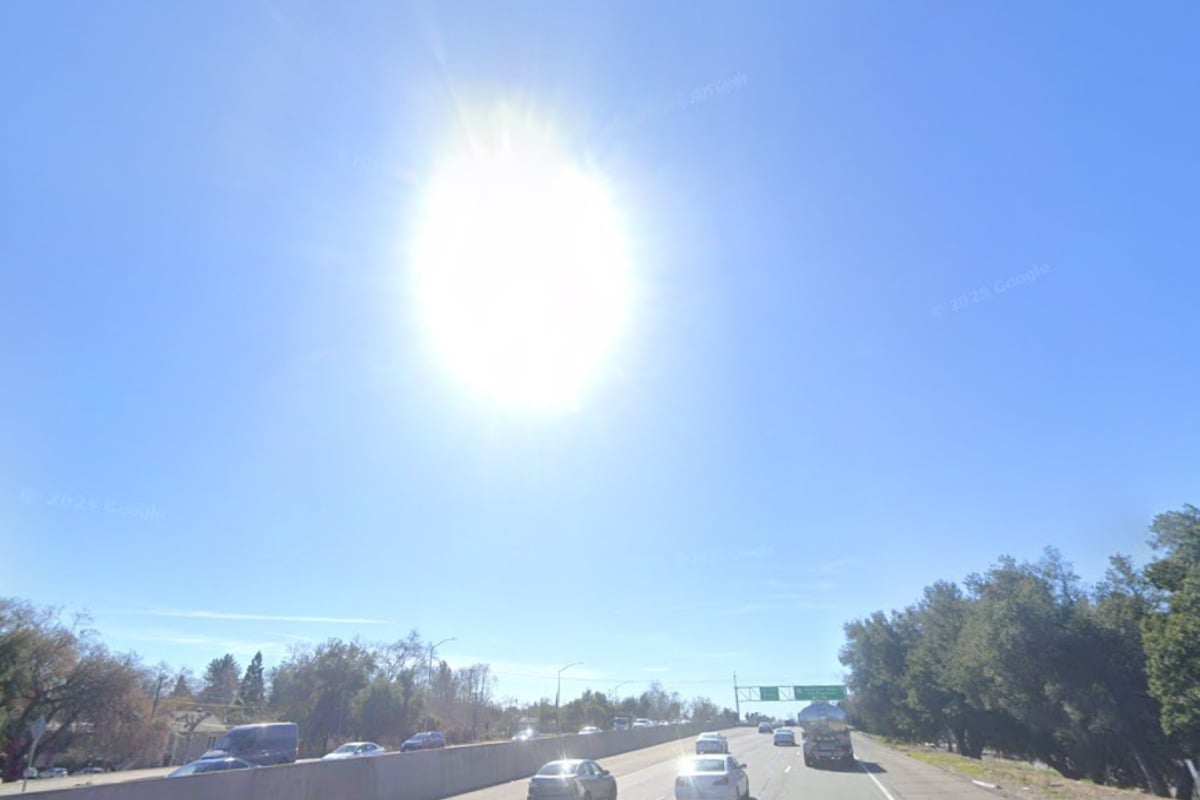
The setup that day read like a checklist of every ingredient fire meteorologists dread. Temperatures across the northern Sacramento Valley were in the triple digits, part of a punishing heat wave gripping Northern California that week. Relative humidity in the foothills had crashed into the single digits, the kind of dry air that sucks moisture out of grass and brush until it behaves less like living vegetation and more like kindling stacked and waiting.
Add wind and you get what fire crews call "critical fire weather," conditions so volatile that even a small ignition can blow up before engines arrive. That's exactly what investigators and fire officials described happening at the Park Fire. Afternoon upslope winds, common in the Sierra foothills as heated valley air rises and rushes toward higher ground, pushed the flames uphill and outward, throwing embers well ahead of the main fire and igniting spot fires that overwhelmed containment lines within hours.
When the Fire Makes Its Own Weather
Fires this size don't just respond to weather. They start generating it. As the Park Fire grew, it produced a towering pyrocumulus cloud, the same fire-driven thunderhead that has become a grim signature of California's mega-blazes in recent years. These columns of superheated air and smoke can rise miles into the atmosphere, and when they collapse, they send erratic, hurricane-force gusts spilling back to the surface in unpredictable directions, scattering embers and leaving even veteran incident commanders guessing about which way the fire moves next.
That self-sustaining feedback loop, heat generating wind generating more heat, is a big part of why the Park Fire went from a few dozen acres to tens of thousands within a single 24-hour period, one of the fastest growth rates ever recorded for a California wildfire. It's also why fire officials increasingly talk about wildfires less like brush fires and more like weather events in their own right, complete with their own wind fields, their own convection, their own capacity to outrun a forecast.
The Trial Ends, the Pattern Doesn't
Stout's conviction gives Butte County a measure of accountability for the spark. It doesn't touch the conditions that turned that spark into catastrophe, and those conditions aren't going anywhere. California's fire season keeps arriving earlier and running hotter, and the same foothill geography that turned one ravine into a chimney on July 24, 2024, will still be there next July, and the July after that, whether or not anyone is standing nearby with a match.
Investigators can build a case around what a person did. Nobody's building a case around what the atmosphere did that afternoon, because the atmosphere doesn't answer to a jury. It just waits for the next hundred-degree day, the next single-digit humidity reading, the next gust funneling up a canyon that was never going to hold back fire in the first place.