
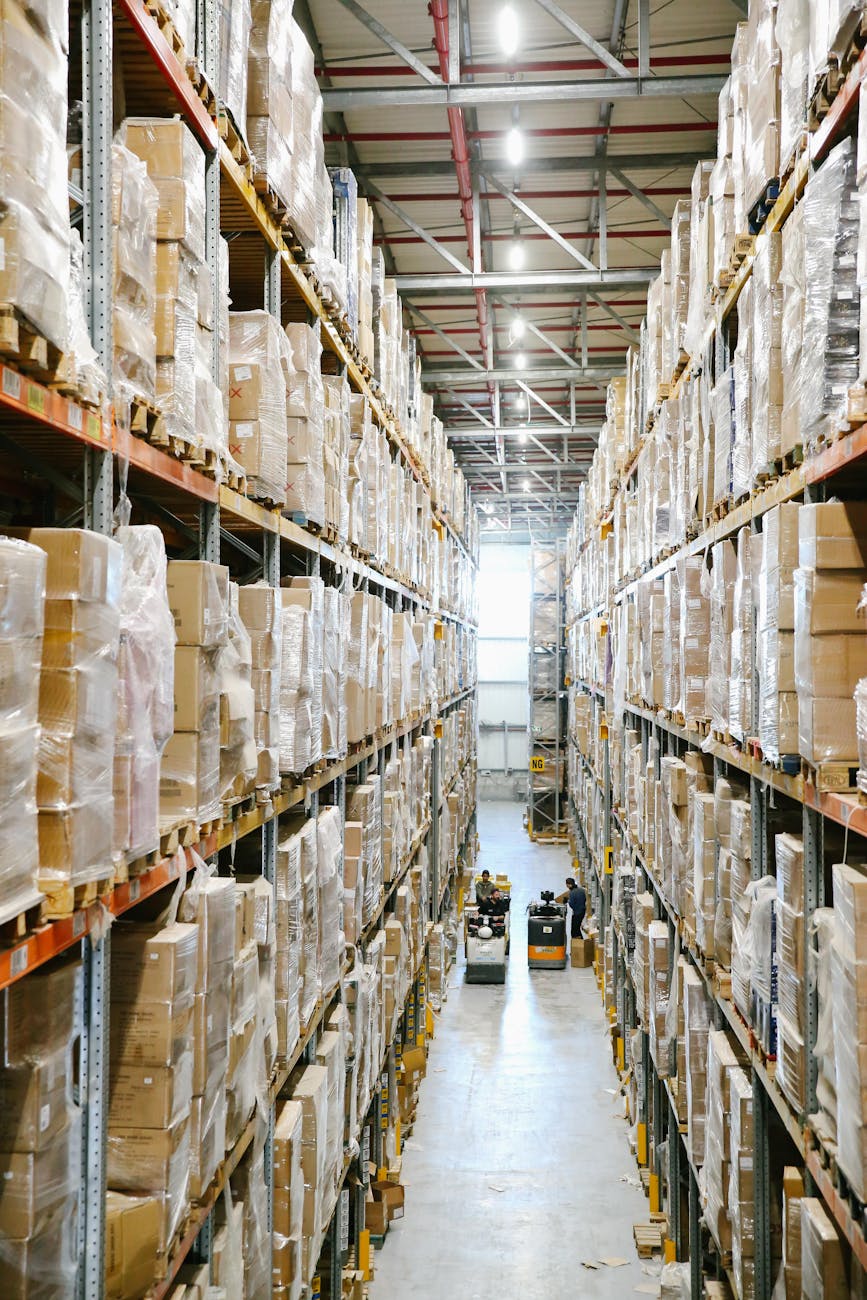
NORTH HOLLYWOOD, Calif. — Rows of dresses stretch toward a warehouse ceiling that could swallow a soundstage. Somewhere in there hangs a coat that spent time under studio lights before streaming was a glimmer in anyone's eye, tagged and cataloged the same way it was back when black-and-white was the only game in town. This is Western Costume Company. It's been dressing Hollywood since before Hollywood had sound.
Related: CALIFORNIA DOUBLES DOWN ON FILM TAX CREDITS TO STOP HOLLYWOOD EXODUS · The Zip Code That Built the Dream: How a Handful of Hollywood Streets Still Rule the Industry
Founded in 1912, Western Costume is widely regarded as the oldest continuously operating costume house in the American film industry. It predates most of the studios now sitting a few miles away in Burbank and Universal City, and it has outlasted several of their backlots. For more than a century, filmmakers have walked through its doors hunting a specific silhouette, a specific era, a specific texture of fabric that reads right on camera. Many still do.
The company moved to its current North Hollywood facility in 2015 after decades near Paramount Pictures in Hollywood proper. The relocation shrank its footprint from earlier eras but kept the core business intact: renting, building and maintaining costumes for film, television and theater productions across California and beyond. The move tracked a broader pattern in the industry, as production infrastructure has steadily pushed out of the original Hollywood district and into the San Fernando Valley, where real estate is cheaper and warehouse space runs larger.
What makes Western Costume notable isn't just its age. It's what the collection represents: a physical archive of how American film has dressed its stories, one era at a time, maintained by people whose job is essentially historical preservation wearing a rental business as a costume. Military uniforms sit near ballgowns. Contemporary streetwear hangs a few aisles from garments built for period pieces set generations before any of the workers currently pulling them were born.
The costumers, tailors and craftspeople keeping that archive functional belong to a trade with its own union history in California. Costumers and wardrobe workers on studio productions are largely represented by Motion Picture Costumers Local 705, part of the broader IATSE structure that also covers hair, makeup and other below-the-line crafts. Like much of the physical production workforce, that trade has weathered the same volatility that's hammered camera crews and set builders in recent years, as production volume in Los Angeles has swung with strikes, streaming spending pullbacks and competition from states and countries dangling deeper tax incentives.
Costume houses occupy an unusual position in that ecosystem. Unlike a soundstage, a costume archive can't pack its inventory to Georgia or Vancouver for a production and pack it back. What Western Costume and similar operations are selling is depth: decades of studio contracts, estate donations and productions that left their wardrobe behind when filming wrapped. That depth is hard to replicate fast anywhere else, which has helped keep at least some costume work anchored in Southern California even as other pieces of production have drifted off.
It also means the business model runs on volume. Costume houses profit when there are productions to dress, full stop. A slower production year in Los Angeles doesn't just mean fewer paychecks for camera operators and grips. It means fewer costumes going out the door, fewer alterations booked, fewer reasons to keep a workshop's tailors on full schedules. The costume trade rarely comes up in conversations about runaway production and tax credit competition, but it rises and falls with the same tide.
There is a craft dimension to the work that resists automation in ways other corners of filmmaking have not.