
Las Vegas will host anything. Super Bowl, Formula 1 Grand Prix down the middle of the Strip, NFL Draft on the Bellagio fountains, more championship fights than any city on earth. If there's a spectacle worth staging, Vegas already has the hotel block, the stage, and the car service sorted before the ink dries.
Related: The 10 Most Senior-Friendly Cities in California Right Now, Ranked · World Cup · Friday, July 3, 2026
So when FIFA finalized its 2026 World Cup host cities, the largest sporting event ever held on this continent, one absence hit different. Las Vegas wasn't on the list. Not as a host. Not as a training base with a marquee friendly. Nothing.
Not because of glamour, hotel capacity, or nerve. Because of a building. The story of how the most event-hungry city in America talked itself out of the World Cup is a lesson in what happens when you build for one tenant instead of for a century.
A Palace Built for Sundays
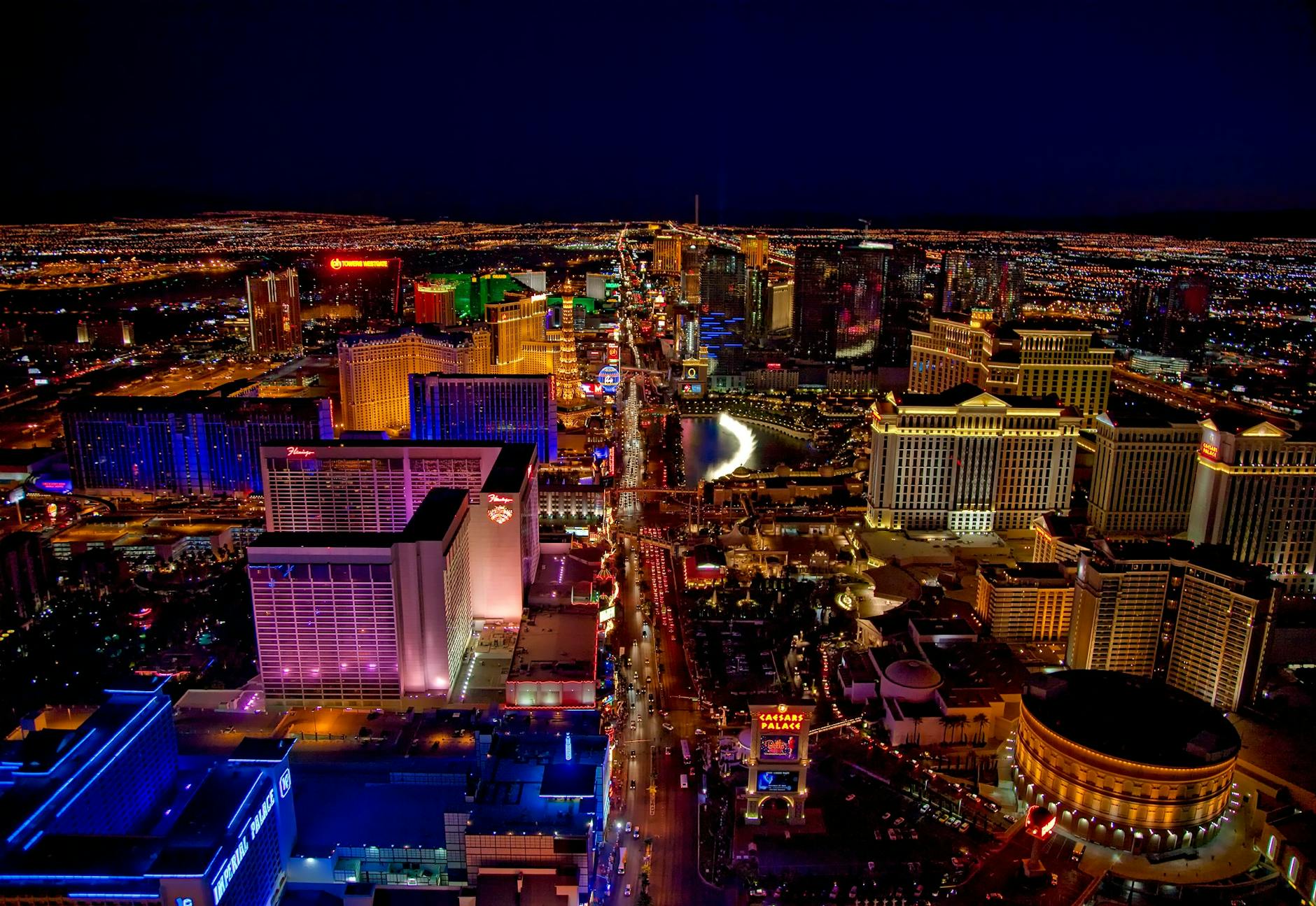
Allegiant Stadium opened in 2020 as a roughly two-billion-dollar monument to the Las Vegas Raiders. It's a genuinely beautiful building, a black glass dome at the edge of the Strip with a natural-grass field that rolls out into the sun on a tray the size of a city block. Every decision inside it was made for professional football: the sightlines, the suites, the bowl, the Sunday.
Soccer asks for something a football stadium does not want to give. A World Cup pitch is wide, wider than an NFL field, and the international game is strict about how much grass has to sit between the touchline and the first row of seats. According to reporting when the host decisions were made, Allegiant's interior could not deliver a regulation pitch without cutting into the very bowl that makes it work for the Raiders. The building that can do everything could not do the one thing FIFA asked.
The Math of a Tournament You Don't Host
Understand what a host city actually collects. Weeks of matches. Hundreds of thousands of visitors who fly in, stay through a group stage, and spend like the money is on fire. Broadcast cameras carrying the city's name into billions of homes on every continent for a month. Tourism, spectacle, and global attention at a scale even Las Vegas rarely touches.
That is the whole Las Vegas business. The city sells exactly this product every single day of the year. And it left the biggest order in a generation sitting on the counter because the stadium it built could not fill it.
The miss cuts deeper when you look west. California, the state Vegas fights for every convention and every long weekend, landed two host sites. SoFi Stadium outside Los Angeles and Levi's Stadium in the Bay Area will both stage World Cup matches. Two California venues built, or rebuilt, with flexibility in mind. Nevada got the view from the highway.
All of This, for a Team That Keeps Losing
Here's the part that should sting for anyone who helped pay for the place. Public money went into Allegiant Stadium, hundreds of millions of it, raised through a hotel-room tax on the promise that a world-class venue would pull world-class events into the valley. The pitch to the public was never really about football. It was about everything else the building would host.
The football hasn't held up its end either. Since the move to Las Vegas, the Raiders have managed a single playoff trip and a long ledger of losing seasons. The city bankrolled a cathedral for a team that mostly loses inside it, and in return it was promised the events. Then the most valuable event on the planet came around, and the cathedral was the reason the city couldn't have it.
A Failure of Imagination
None of this was a secret in 2016. The World Cup was already coming to North America. The bids were in motion. FIFA's field requirements are not a riddle. A wider pitch and proper run-off are the first things anyone planning an international venue accounts for. A city that reinvents itself every decade, that implodes its own landmarks on a schedule to build the next bigger thing, chose to sink two billion dollars into a stadium with one sport in mind.
That's the real fumble. Not a bad break or a close FIFA vote. A choice, made years in advance, to build narrow in the one city whose entire identity is building for whatever comes next.
The Bill Comes Due
Las Vegas will be fine. More Super Bowls, more Grands Prix, more fights and drafts and finals, and it'll do all of it well. But the World Cup doesn't come back around often, and when it finally reached this continent, the city that hosts everything could only watch it go to the neighbors.
The house usually wins. This time it built the wrong table, and the biggest game in the world sat down somewhere else.